
A Comprehensive Guide to Sub-Assembly Services by Axenics
Table of Contents
- Introduction: Definition of Sub-Assembly Services
- The Benefits of Outsourcing Sub-Assemblies
- Types of Sub-Assemblies Offered by Axenics
- Materials and Technologies Used
- Welding and Joining Techniques
- The Axenics Process from Concept to Delivery
- Industry-Specific Applications
- Choosing the Right Sub-assembly Partner
- Conclusion: Sub-assembly Benefits Recap
Introduction
Definition of Sub-Assembly Services
Sub-assembly services involve the process of putting together components and parts of a larger manufacturing assembly, which is then used as a part of the final product. These services are crucial in various manufacturing industries, including but not limited to:
- Semiconductor
- Medical device
- Life sciences
- Chemical manufacturing
- Alternative energy
- Hydrogen fuel cells for automotive and vehicles
By utilizing services from a sub-assembly company, businesses can streamline production, improve efficiency and focus on their core competencies. Sub-assembly services simplify complex manufacturing processes by integrating multiple components into a cohesive unit, ready for final assembly. Benefits include:
- Streamlining production processes
- Improving efficiency
- Reducing production costs
- Ensuring high-quality assembly
Importance and relevance in modern manufacturing
By integrating sub-assembly services, manufacturers across various industries achieve higher productivity and product reliability. In essence, sub-assembly is a game-changer in modern manufacturing, addressing the demands for high precision, quality and capability.
Overview of industries that benefit from sub-assembly services
From semiconductors to medical devices, services can significantly reduce time-to-market and cost, ensuring products meet stringent quality standards. Here’s a closer look at some of the key industries that benefit from sub-assembly services:

Semiconductors:
Complex components and intricate designs are standard in the semiconductor industry. Sub-assembly services help manage these complexities, providing precision and consistency.

Medical Device:
In the medical field, reliability and compliance with regulations are critical. Sub-assembly ensures that devices meet strict standards and are ready for final assembly and testing.

Life sciences:
From lab equipment to biotech innovations, sub-assembly supports the creation of precise and reliable instruments, essential for research and development.

Chemical Manufacturing:
Chemical processing equipment requires robust and precise components. Sub-assembly services offer tailored solutions, such as ultra-clean welding, to meet these exacting needs.

Alternative Energy:
How do sub-assembly services contribute to the alternative energy sector? In the rapidly evolving sector of alternative energy, sub-assembly services contribute to skilled production, whether it’s for solar panels or wind turbines.

Hydrogen Fuel Cells for Automotive/Vehicles:
How do sub-assembly services support the automotive industry, specifically with hydrogen fuel cells? As the automotive industry shifts toward greener technologies, sub-assembly services support the development of advanced and efficient hydrogen fuel cells.
%
The semiconductor industry sees a 40% reduction in assembly errors with sub-assembly services.
The Benefits of Outsourcing Sub-Assemblies
How do sub-assembly services improve production efficiency?
Cost efficiency: Reduced labor and overhead costs
When considering the many facets of manufacturing, the decision to outsource sub-assemblies can be a game-changer for your business. One standout benefit is cost efficiency, as outsourcing sub-assemblies can significantly reduce labor and overhead costs.
Reduced Labor Costs: By contracting out sub-assembly tasks to specialists like Axenics, you can avoid the expenses associated with recruiting, training and retaining a skilled workforce. This means fewer payroll obligations and related expenses like benefits and bonuses.
Lower Overhead Costs: Outsourcing also translates to less need for extensive manufacturing facilities, state-of-the-art equipment and the associated maintenance. With reduced overhead costs, you can allocate resources more effectively to other critical areas of your business.
%
Outsourcing sub-assembly can cut manufacturing costs by 20%.
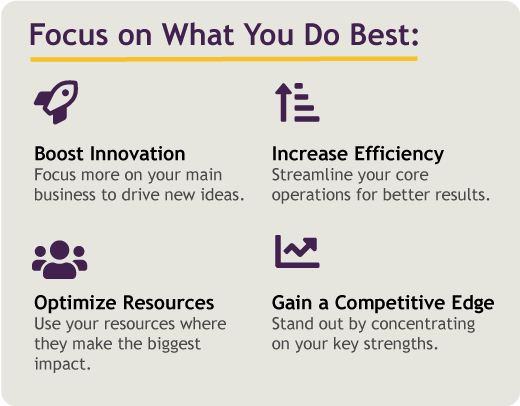
Focus on core competencies: Allowing companies to focus on base operations
Consider these additional benefits:
- Enhanced Innovation: Investing time in your core areas fosters creativity and advancements.
- Greater Efficiency: Streamline operations by concentrating on what you do best.
- Resource Optimization: Allocate resources more effectively, enhancing overall productivity.
- Competitive Advantage: Strengthening your primary competencies can set you apart in the market.
By partnering with Axenics for sub-assembly services, you gain the freedom to channel your energy and resources into the areas that are most effective for your business, ensuring you stay ahead in a competitive landscape.
Sub-Assembly Core Benefits

%
Sub-assembly services can reduce production time by up to 30%.
Faster time to market: Speeding up the production cycle
Outsourcing sub-assembly tasks to Axenics not only lets you focus on your core strengths but also significantly speeds up your production cycle. By leveraging Axenics’ specialized expertise and efficient processes, you can reduce lead times and accelerate your time to market. This is particularly crucial in industries where staying ahead of the competition means everything.
Scalability and flexibility: Adapting to demand fluctuations
In today’s fast-paced industries, the ability to adapt quickly and efficiently to variability is crucial. This is where the concepts of scalability and flexibility in sub-assembly services come into play. Sub-assembly services provide a valuable solution for companies needing to alter production volume without compromising on quality or delivery times.
Working with a sub-assembly services provider offers you the flexibility to scale up or down production seamlessly, responding to the changing needs of your business. Flexibility, on the other hand, involves the ease with which these adjustments can be made. When you partner with a contract manufacturer like Axenics, you gain the advantage of both scalability and flexibility.
Here are a few ways Axenics achieves this:
- Modular Approach: The use of modular components allows for quick adjustments to production lines.
- Advanced Technology: Implementing the latest technology ensures efficient scalability.
- Skilled Workforce: A versatile and highly-trained team ready to tackle any production challenge.
By integrating these strategies, Axenics ensures that your production remains not just viable but highly efficient, even in the face of fluctuating demands.
Quality and consistency: Expertise leads to higher standards
When it comes to sub-assembly services, quality and consistency are non-negotiable. At Axenics, our expertise in the field leads to exceptionally high standards, ensuring that your projects are handled with meticulous attention to detail. This not only guarantees superior results, but also enhances the efficiency and reliability of your final products.
Why choose Axenics for your sub-assembly needs
- Strict quality control measures
- Customized solutions to meet your unique requirements
- Timely delivery and exceptional customer service
Enhanced Supply Chain Resilience
When it comes to enhancing supply chain resilience, one of the key benefits of sub-assembly is often overlooked. By tapping into Axenics’ dependable sub-assembly services, your business can effectively reduce disruptions, better manage supplier risks, and ensure smooth operations even during spikes in demand or shortages of materials. This is particularly vital for sectors with strict production schedules, such as semiconductors and life sciences.
Some of the standout advantages include:
- A wider range of production sources
- A safety net against delays and bottlenecks
- Enhanced inventory management with modular, ready-to-assemble components
In today’s fast-paced manufacturing environment, where agility is essential, partnering with sub-assembly experts like Axenics offers the stability and quick response needed to succeed.
Built-In Compliance and Documentation
One of the standout benefits of our sub-assembly core is how it alleviates regulatory stress. At Axenics, we weave compliance protocols right into the sub-assembly process, ensuring you have built-in traceability, thorough documentation, and quality assurance, all of which are crucial for industries that are heavily regulated, like medical devices, chemical manufacturing, and alternative energy.
So, what does this mean for your operation?
- Quicker audits and hassle-free documentation access
- Assurance that every sub-assembly not only meets but often surpasses industry standards
- Lower chances of rework or recalls stemming from compliance issues
This all-in-one compliance strategy not only saves you time but also safeguards your brand’s reputation, paving the way for a smooth go-to-market experience.
Types of Sub-Assemblies Offered by Axenics
Mechanical sub-assemblies: Components and complete assemblies
When it comes to mechanical sub-assemblies, understanding the different components and how they come together to form complete assemblies is crucial. These sub-assemblies are integral parts of a larger machine or system, each playing a specific role to ensure the seamless operation of the overall mechanism.
In essence, these components are meticulously assembled to create functional sub-assemblies. These could be anything from a simple gear mechanism within a larger motor to a complex assembly used in medical devices or semiconductor manufacturing equipment. Each part must be designed and assembled with precision to meet the industry standards and operational demands.
%
Medical device manufacturers report a 35% faster time-to-market with sub-assembly services.
Electrical sub-assemblies: Wiring harnesses, PCB assemblies
What is the role of sub-assembly services in semiconductor manufacturing?
When it comes to electrical sub-assemblies, two crucial components stand out: wiring harnesses and printed circuit board (PCB) assemblies. These components play a vital role in ensuring the functionality and reliability of larger systems, whether in the semiconductor industry, medical devices or even alternative energy solutions.
Wiring harnesses organize and protect wires, providing a designated path for electrical currents. This ensures efficient and reliable connectivity between different parts of your equipment. On the other hand, PCB assemblies involve the creation of complex circuit boards, facilitating the integration of multiple electronic components to achieve a specific functionality.
Pneumatic sub-assemblies: Air-driven control systems
One notable category of sub-assemblies is pneumatic sub-assemblies, which are integral to air-driven control systems. These components utilize compressed air to power and control various mechanical processes, offering a clean and efficient alternative to hydraulic systems.
There are several key components and types of pneumatic sub-assemblies that you should be familiar with:
- Actuators: Devices that convert compressed air into mechanical motion, performing tasks such as opening valves or moving parts.
- Valves: Control the flow and pressure of the air within the system, essential for managing the operations of different devices.
- Air Compressors: Machines that generate the compressed air required to drive the entire pneumatic system.
- Tubing and fittings: Connective components that ensure air is distributed precisely where it’s needed within the assembly.
- Filters and regulators: Maintain the quality and correct pressure of the air, ensuring optimal performance of the system.
In any pneumatic sub-assembly, each of these components works together seamlessly, providing a reliable solution for applications in the semiconductor manufacturing, medical devices industries and more. By leveraging the power of air, these systems offer precise control and efficiency, making them a preferred choice in various high-tech fields.
Hydraulic sub-assemblies: Fluid power systems
Hydraulic sub-assemblies, specifically fluid power systems, are essential for many applications and industries due to their ability to transfer power.
Hydraulic sub-assemblies, or fluid power systems, are commonly employed in:
- Heavy machinery
- Aerospace
- Automotive industries
- Construction equipment
- Medical devices
Specialized custom assemblies: Tailored to specific industry needs
Specialized custom assemblies are a game-changer, ensuring that each component fits seamlessly into your overall system. These tailored solutions are designed to enhance operations, improve efficiency and ensure reliable performance.
By leveraging specialized custom assemblies, you benefit in several ways:
- Precision: Custom assemblies are designed with exact specifications, ensuring perfect alignment with your existing systems.
- Quality assurance: Each component undergoes rigorous testing to meet industry-specific standards.
- Efficiency: Tailored solutions streamline manufacturing processes, reducing downtime and increasing productivity.
- Scalability: Custom assemblies can be adapted and scaled according to the evolving needs of your industry.
- Improved performance: High-quality, well-integrated components enhance the overall functionality and reliability of your systems.
Materials and Technologies Used
Overview of common materials: Plastics
We specialize in sub-assembly services utilizing a range of high-performance plastics, each suited to specific industrial applications. Here’s a look at the diverse materials we work with and their unique uses:
Polytetrafluoroethylene (PTFE/FPA): We have a versatile proprietary method of fabricating with PTFE, which has increased customer demand for this plastic. PTFE/FPA is resilient and stable, with a high threshold for exposure to harsh chemicals.
Polyvinyl Chloride (PVC): Lightweight PVC is rigid and versatile, making it a top choice for construction jobs. It’s also known for its fire-retardant properties.
Chlorinated Polyvinyl Chloride (CPVC): CPVC withstands higher temperatures than other plastics and is used for hot- and cold-water piping as well as industrial liquid transportation.
Polypropylene (PP): PP has great elasticity and high chemical resistance, making it commonly used in the automotive and textiles industries.
High Density Polyethylene (HDPE): HDPE has a high strength-to-density ratio, and is frequently employed in the production of thermoplastic lumber.
Polyvinylidene Fluoride (PVDF): Axenics utilizes PVDF for industries such as chemical manufacturing and alternative energy, where high purity is essential.
Overview of common materials: Metals
Several metals are utilized, depending on your specific needs and for various industries and applications. Understanding the properties and applications of these metals can help you make informed decisions for your projects.
Stainless steel tubing can be used in a variety of your projects due to its corrosion-resistant properties and ability to withstand long-term exposure to the environment.
Copper responds well to bending and soldering, in addition to being one of the more pliable metals, making it a top choice for an array of tasks.
Titanium is often used for structural design due to the metal’s lightness and durable strength.
Aluminum alloys’lightweight properties make them ideal for use in building components in the aerospace industry. Aluminum is often more affordable than titanium and is popular because it is easy to weld and is corrosion resistant.
Inconel is an oxidation- and corrosion-resistant material, which is ideal for use in extreme environments where it may be subjected to pressure and heat.
Exotic Alloys: For specialized applications such as semiconductor manufacturing where specific properties are crucial.
Cutting-edge technologies: CNC machinery
Axenics offers computer numeric controlled (CNC) pipe bending services for larger radius bends and for customers requesting high-quantity tube and pipe bending services. We have the ability to work with all of the major alloys, including: copper, brass, aluminum, stainless steel, titanium and Inconel. A CNC bending machine creates wrinkle-free bends in metal tubes, allowing liquids or gasses to flow through tubing seamlessly.
CNC is the most-precise bending process for metal tubing. While each CNC tube bending machine is different, here’s an example of the CNC tube bending process on an electric/hydraulic CNC tube bending machine (a common choice for CNC bending):
- The metal tube is sized and it receives a clean, dry cut (no oils).
- The cut piece of tube is inserted into the bender’s mandrel and is clamped down.
- The CNC tube bender operator loads the program that includes the part number that informs the bending machine of the proper bend.
- The CNC operator presses a foot pedal to begin the process (which is part of the safety features of a bender).
- The tube bends in less than one minute using the sheer force of the bender.
A hybrid electric/hydraulic bender combines electric drive bending with hydraulic bending actuation. This type of CNC bender is environmentally friendly and consumes a small amount of power and produces low noise and heat. The clamp and pressure die of the CNC bender are hydraulic driven while the mandrel is hydraulic with early withdrawal.
Welding and Joining Techniques

Sub-assembly services require precision and the right materials to ensure each component works seamlessly within the larger system. At Axenics, we utilize a range of materials and employ advanced technologies to meet the specific needs of various industries, from semiconductor to alternative energy. By choosing the appropriate materials and incorporating state-of-the-art technologies, we deliver top-notch sub-assembly solutions. Here are the key methods we use:
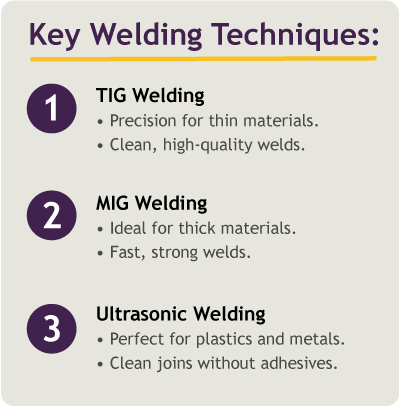
TIG Welding
Tungsten Inert Gas (TIG) welding is a precise welding technique that uses a non-consumable tungsten electrode. It’s highly effective for thin materials and provides a clean and high-quality weld. This method is particularly suitable for products that need a high level of purity and where the weld’s appearance is important.
Testing and quality assurance methods: Ensuring reliability and performance
Every sub-assembly that leaves our facility undergoes rigorous testing and quality assurance processes. This is how we ensure that each component not only meets but exceeds customer expectations.
At Axenics, we’ve made quality assurance a cornerstone of our operations. Our testing methods include:
- Pressure Testing: Verifies the integrity of assemblies in high-pressure environments, essential for fluid and gas handling systems.
- Leak Testing: Detects minute leaks to ensure airtight and watertight seals, critical for semiconductor and medical applications.
- Thermal Cycling: Assesses material performance under extreme temperature variations, ensuring long-term reliability.
- Dimensional Inspection: Uses advanced metrology tools to confirm precise measurements and tolerances.
Our quality assurance team is dedicated to continuous improvement, employing statistical process control and root cause analysis to consistently deliver impeccable results. This unwavering focus on quality ensures that the sub-assemblies you receive are reliable, high-performing and perfectly suited to your needs.
The Axenics Process from Concept to Delivery
How to start a project with Axenics
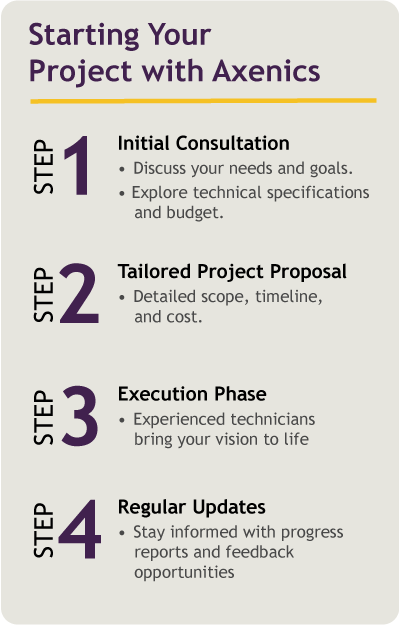
To start a project with Axenics, the process is straightforward. First, you’ll discuss your specific requirements with our knowledgeable team, who will help you determine the best solutions for your needs. Next, we’ll develop a detailed project proposal, outlining the scope, timeline and cost. Once you approve the proposal, the project moves to the execution phase, where Axenics’ experienced technicians bring your vision to life. Throughout the entire process, you’ll receive regular updates and have the opportunity to provide feedback, ensuring the final product meets or exceeds your expectations.
Contact Axenics for an initial consultation.
Receive a tailored project proposal.
Approve the proposal and begin execution.
Stay updated with regular communication and progress reports.
Initial consultation: Assessing client needs and project scope
Our mission is to support your project’s success through our comprehensive sub-assembly services. The journey from concept to delivery is designed with meticulous attention to detail, ensuring that your needs are met and expectations exceeded. Let’s walk through this robust process, starting with the initial consultation.
Our collaboration begins with a thorough discussion to understand your vision and objectives. During this consultation, we dive deep into:
- Your specific requirements and technical specifications.
- Project timelines and milestones.
- Budget constraints and financial considerations.
- Potential challenges and risk mitigation strategies.
This initial step lays the groundwork, establishing a clear path forward and enabling our team to find you a customized solution.
CAD drawings and prototyping
Our team of experts is dedicated to transforming your concepts into reality with precision and efficiency. We understand that every project is unique, demanding tailored solutions to meet specific requirements. That’s why we offer comprehensive support in CAD drawings and prototyping to ensure your sub-assemblies are flawlessly executed.
Our assistance encompasses a wide range of services that bridge the gap between your initial idea and the final product. We work closely with you to understand your needs, providing input on material selection, cost-effective manufacturing techniques, and industry best practices. Here’s what you can expect:
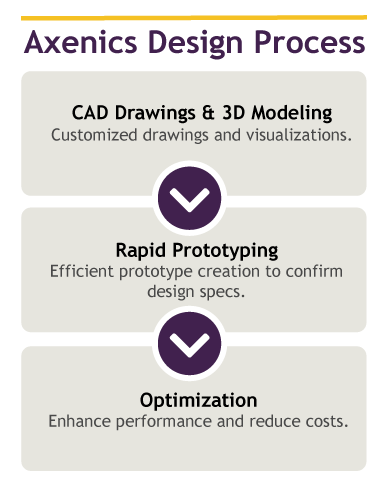
- Custom CAD Drawings: Detailed, precise drawings tailored to your specifications.
- 3D Modeling: Visual representations to help you visualize the final product before manufacturing.
- Rapid Prototyping: Quick and efficient creation of prototypes to confirm form, fit and function.
- Optimization: Suggestions for improving the design to enhance performance and reduce costs.
Utilizing our CAD drawings and prototyping services not only accelerates your project timeline but also minimizes risks by identifying potential issues early in the development process. Whether you need minor adjustments to an existing product or a completely new sub-assembly concept, our team is committed to delivering results that exceed your expectations.
Production: Assembly line setup and component manufacturing
When it comes to production, ensuring an efficient assembly line setup and meticulous component manufacturing are crucial. Axenics leverages state-of-the-art technologies and streamlined processes to maximize productivity and minimize waste.
- Custom assembly line setup tailored to the specific needs of each project.
- Precision manufacturing of components to meet stringent industry standards.
These efforts ensure that every sub-assembly meets the highest quality and performance requirements, contributing to the overall success of your project.
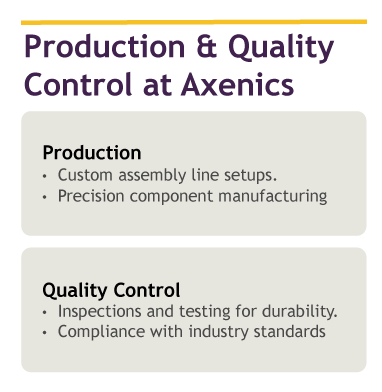
Quality control: Inspections, testing and compliance checks
Quality control is another cornerstone of Axenics’ sub-assembly services. From initial inspections to comprehensive testing and strict compliance checks, every stage of the process is meticulously monitored.
This philosophy drives Axenics to adhere to rigorous quality standards, ensuring that every component is fit for purpose and reliable. The quality control process includes:
- Thorough inspections conducted at multiple stages of production.
- Extensive testing to verify functionality and durability.
- Compliance checks to meet industry regulations and standards.
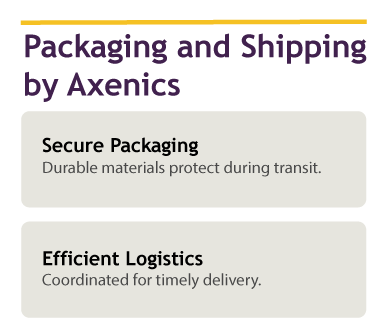
Packaging and shipping: Secure packaging, logistics coordination
Once production and quality checks are complete, the focus shifts to packaging and shipping. Secure packaging and efficient logistics coordination are vital to ensure that components arrive safely and on time.
- Durable and secure packaging to protect components during transit.
- Effective logistics coordination to ensure timely delivery.
By prioritizing these elements, Axenics ensures that your sub-assembly components are handled with care and precision from start to finish, giving you peace of mind and confidence in the final product.
Industry-Specific Applications
When it comes to sub-assembly services, industry-specific applications play a crucial role in ensuring quality and efficiency. Axenics specializes in tailoring these services to meet the unique demands of various sectors:
Semiconductor Manufacturing: Precision and Cleanroom Requirements
For the semiconductor industry, precision and cleanliness are non-negotiable. Sub-assemblies must meet the stringent standards required to operate within Cleanroom environments. This includes using specialized materials and adhering to meticulous manufacturing processes that minimize contamination and ensure high precision.
Chemical Processing: Handling and Safety Protocols
Chemical processing industries require sub-assemblies that can withstand harsh conditions and chemical exposures. Axenics prioritizes robust safety protocols and uses high-grade materials to handle these challenges effectively. Proper handling and safety standards are integral to preventing hazardous incidents and ensuring operational integrity.
- Use of corrosion-resistant materials
- Compliance with OSHA and industry-specific safety guidelines
- Regular safety audits and checks
Life Sciences: Compliance with Medical Standards
How do sub-assembly services help in the life sciences industry?
In the life sciences sector, compliance with medical standards is paramount. Whether it’s for medical devices or laboratory equipment, sub-assemblies must adhere to rigorous regulatory guidelines. This ensures safety, reliability and performance of products used in critical health applications.
Automotive: Customization and Scalability
The automotive industry demands sub-assemblies that offer customization and scalability to meet the diverse needs of modern vehicles, including those powered by alternative energies like hydrogen fuel cells. Axenics excels in delivering scalable solutions that can be tailored to specific requirements, ensuring optimal performance and efficiency.
Choosing the Right Sub-assembly Partner
Choosing the right sub-assembly partner requires careful consideration to ensure you meet your project goals efficiently and effectively. One critical factor is the partner’s industry experience and technical capabilities. Axenics brings decades of expertise in various sectors. Our broad knowledge base allows us to handle complex projects with precision and reliability.
Experience, capabilities and customer service
A partner’s capabilities and customer service are just as important as their experience. Axenics offers a wide range of sub-assembly services, from precision welding and tube bending to Cleanroom assembly and testing. Our advanced facilities and skilled technicians ensure high-quality, repeatable results. Additionally, we pride ourselves on exceptional customer service, focusing on clear communication, timely deliveries and flexible solutions tailored to your specific needs.
Conclusion
In conclusion, sub-assembly services offer a multitude of benefits that can drive efficiency, innovation and overall success in various industries.
Recap of the Benefits of Sub-Assembly Services:
- Cost Efficiency: Reduction of operational costs by outsourcing complex assembly tasks.
- Quality Assurance: Enhanced product quality through specialized expertise and advanced technology.
- Time Savings: Faster production timelines by leveraging the skills and infrastructure of experienced contract manufacturers.
- Flexibility: Adaptability to accommodate different project sizes and requirements.
- Focus: Allows your team to concentrate on core competencies and business growth.
%
Companies using sub-assembly services report a 25% increase in production efficiency.
As we look to the future, manufacturing and innovation are evolving in exciting ways. The advent of new technologies such as automation, artificial intelligence and advanced materials is reshaping the landscape. Partnering with a forward-thinking company like Axenics ensures that you stay ahead of the curve, leveraging the latest advancements to enhance your productivity and competitive edge.
Ready to take your manufacturing processes to the next level? Connect with Axenics today to explore how our sub-assembly services can benefit your operations and help you achieve your business goals. Contact us to learn more and get started on your next project.